
If you are looking for the residency program that turns a dentist into a cosmetic dentist, there isn’t one. That surprises a lot of people, including dentists, and it changes the whole answer to how to become a cosmetic dentist. There is no board to sit, no specialty track to match into, and no title anyone hands you. What exists instead is a set of skills you go out and build on purpose, in a particular order, after you already have your license. Here is what that actually looks like.
Finish dental school, get licensed, then build cosmetic skills through continuing education, because cosmetic dentistry is not a recognized dental specialty and has no residency. The skills that matter most are case selection, smile design, occlusion, photography, preparation design, and bonding. Start with small cases, photograph everything, build a relationship with a good ceramist, and add complexity gradually. Most dentists take years to get genuinely comfortable, and that is normal.
First, an Important Clarification
Cosmetic dentistry is not one of the recognized dental specialties. Orthodontics is. Periodontics is. Oral and maxillofacial surgery is. Cosmetic dentistry is not, which has two consequences worth understanding before you plan anything.
The first is that any licensed general dentist can legally offer cosmetic procedures, including veneers, without additional credentials. Nothing is stopping you, which is either encouraging or alarming depending on how you look at it.
The second is that because nothing is required, nothing is provided either. No structured curriculum hands you the skills in a sensible sequence. You assemble that yourself, and the dentists who do it well are deliberate about the order.
The Baseline You Need First
Everything below assumes the standard path is done or in progress.
- Dental school. Four years, ending in a DDS or DMD. The two are equivalent.
- Licensure. Board examinations plus whatever your state requires.
- Optional residency. A general practice residency or advanced education in general dentistry year is not required, but the extra clinical volume helps, particularly if your school’s clinical experience was thin.
If you are still in school, get your hands on as much restorative work as possible and start photographing your cases now. Nobody regrets having early photos.
How to Become a Cosmetic Dentist: The Skills That Matter
This is the part that matters, and it is longer than most people expect.
| Skill | Why it matters |
|---|---|
| Case selection | The most important cosmetic dentistry skill and the least discussed. Knowing which cases to accept, which to refer, and which to decline entirely prevents more problems than any technique. A beautiful veneer case on a patient who needed orthodontics first is still a failed case. |
| Smile design | Understanding tooth proportion, midline, incisal edge position, smile line, and how the gingival architecture frames everything. This is design work, and it is learnable. |
| Facially driven planning | Designing the smile to fit the face rather than designing teeth in isolation. Treating the teeth as the whole picture is how cases end up technically correct and visually wrong. |
| Occlusion | Underrated, and the reason a lot of otherwise good cosmetic work fails. Porcelain does not forgive a bite you did not account for. |
| Photography | A standardized photo series is how you communicate with your ceramist, plan, track your progress, and document what you did. Most dentists who plateau are not photographing consistently. |
| Shade selection and lab communication | The best preparation will not save a case where the ceramist did not have what they needed. Communicating what you want, in the terms a lab actually uses, is its own discipline. |
| Preparation design | Understanding conventional prep, minimal prep, and no-prep and prepless approaches, and knowing which situation calls for which. Over-preparation is one of the most common and least reversible mistakes in the field. |
| Provisionals | Temporaries are not a placeholder. They are the test drive for the final result, and the chance to get feedback before anything is permanent. |
| Bonding protocol and isolation | This is where cases are won or lost. Consistency here separates predictable results from occasional ones. |
| Materials | Knowing what different ceramics do, where each performs, and what each needs in thickness and bonding. |
| Patient communication | Understanding what a patient actually wants and being honest about what is achievable. A clinically excellent case can still disappoint if the conversation up front was vague. |
How to Build Those Skills
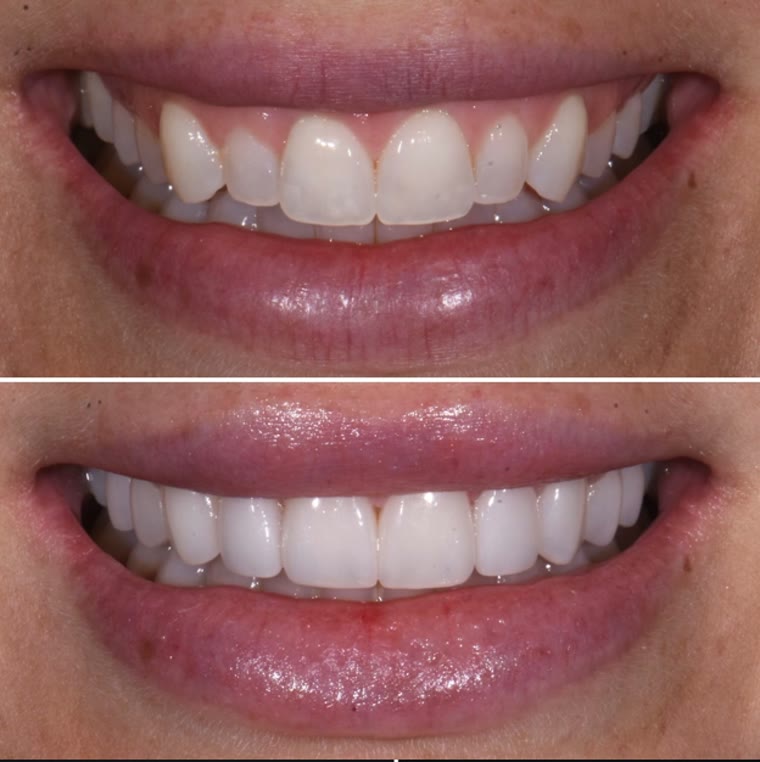
Continuing education is the mechanism, since that is where procedure-specific training lives. You complete continuing education to maintain licensure anyway, so the real question is what you point those hours at.
A few things that help more than others:
- Learn in sequence. The full workflow first, then specific techniques. Studying bonding chemistry in depth before you understand case selection is learning the fifth step first.
- Watch the procedure, not just the slides. Seeing a case done start to finish, with the reasoning narrated, transfers far more than a written description of the same steps.
- Find a ceramist and stay with them. Your lab relationship affects results more than most material choices, and consistency lets you both calibrate.
- Start smaller than your ambition. Two or four units before ten. Confidence built on completed cases holds up. Confidence built on courses alone does not.
- Document everything. Before, provisional, and after, in a consistent series. Your own cases are the best teaching material you will ever have access to.
- Get your work looked at. Study clubs, mentors, or peers who will tell you what is wrong rather than what is nice. Improvement requires someone pointing at what you cannot see.
When I was starting out, this took me years of courses and considerable money on top of what dental school had already cost. The information existed. It was just not organized anywhere, and I spent a long time assembling it piece by piece.
Mistakes That Slow People Down
- Starting with a large case. A ten-unit case as your first veneer experience is a lot of exposure for a technique you are still learning.
- Skipping occlusion. The most common source of failures that appear months later.
- Over-preparing. Enamel you remove does not come back, and bonding to enamel is better than bonding to dentin.
- Chasing shade instead of design. A well-designed case in a slightly different shade reads better than a perfectly shaded case with wrong proportions.
- Not photographing. No photos means no lab communication, no self-assessment, and no record.
- Saying yes to the wrong patient. Expectations that were never realistic do not become realistic after treatment.
- Collecting courses without doing cases. Courses shorten the path. They do not replace the cases.
Key Takeaways
- Cosmetic dentistry is not a recognized specialty, so there is no residency and no required credential.
- Any licensed general dentist can legally offer cosmetic procedures, which means the standard you hold yourself to is your own.
- Case selection matters more than technique, and knowing when to decline prevents most problems.
- Occlusion and photography are the two most commonly skipped fundamentals.
- Over-preparation is among the least reversible mistakes in the field.
- Progress comes from doing cases consistently between courses, not from courses alone.
Action Items
- Set up a standardized photo series and start using it on every anterior case, starting with your next patient.
- Write down the last five cosmetic cases you referred out and identify what specifically stopped you from doing them.
- Choose one ceramist and commit to them for your next several cases instead of shopping around.
- Pick the smallest cosmetic case on your schedule this month and treat it as a deliberate practice case, fully documented.
- Audit your continuing education hours and check how many went toward a skill you actually use.
- Find one person whose work you respect and ask them to critique a finished case honestly.
Frequently Asked Questions
Eight years to become a dentist, then a variable period building cosmetic skills. Most need years of consistent case work before full smile makeovers feel comfortable, though simpler cosmetic cases come much sooner. Nobody gets there in a weekend, and anyone suggesting otherwise is selling something.
No, because cosmetic dentistry is not a recognized specialty. Be aware that some state dental boards have rules about how dentists may advertise areas of focus, so check your own board’s language requirements.
Yes. Any licensed general dentist can legally place veneers. Whether they should on a given case depends on their training and the complexity of the case, which is a judgment call rather than a legal one.
Case selection and smile design fundamentals, then the full workflow start to finish, then individual techniques. Understanding how a case comes together makes each technique easier to place in context.
No, and experienced general dentists often pick this up quickly. You already have hand skills, patient management, and clinical judgment. What you need is the specific workflow, a shorter distance than it looks from the outside.
Very. The ceramist is a partner in the result, not a vendor filling an order. Consistency with one good lab, and learning to communicate in the terms they use, improves outcomes considerably.
Conclusion
How to become a cosmetic dentist comes down to something less dramatic than a credential. You get licensed, then you build a specific set of skills dental school did not have time to give you, in a sensible order, while doing cases the whole way through. Nobody is going to structure that for you, which is the hard part and also why a dentist who does structure it can move quickly.
If veneers are the piece you want to get right, the Veneer Blueprint Course walks through the full sequence, from case selection and smile design through preparation, temporaries, and bonding, in the order I wish someone had laid out for me. Dentists already comfortable with veneers usually find the No Prep and Prepless Veneers Course the better next step. Both are compared on the courses page, and the CE information page covers how the credits work.